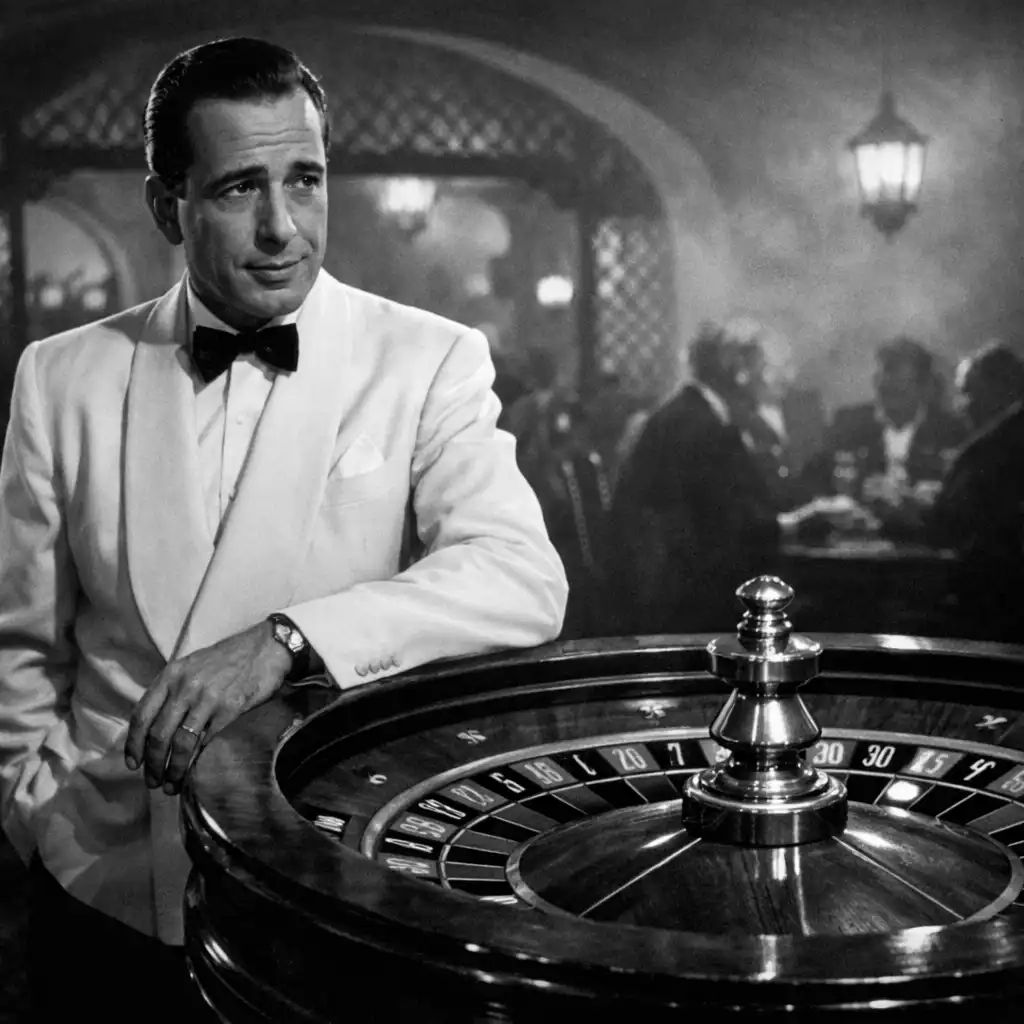
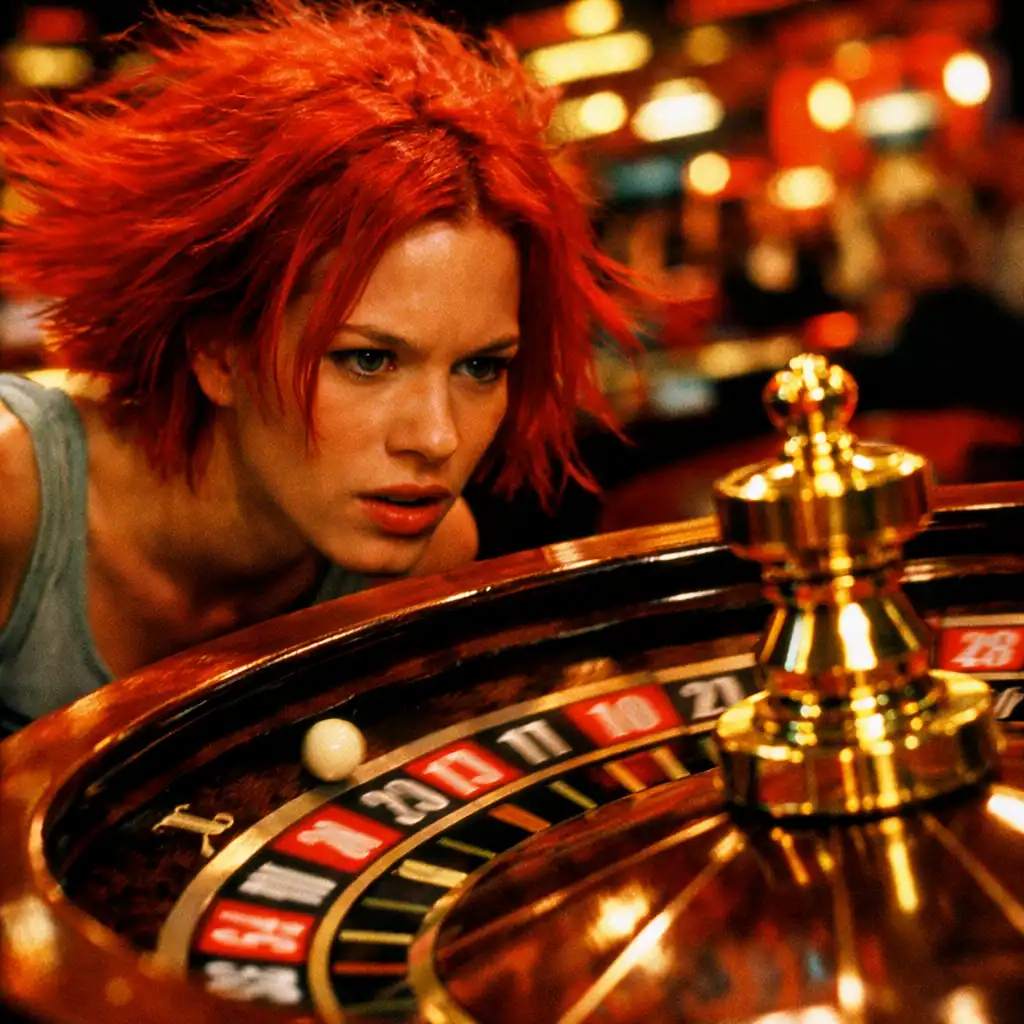
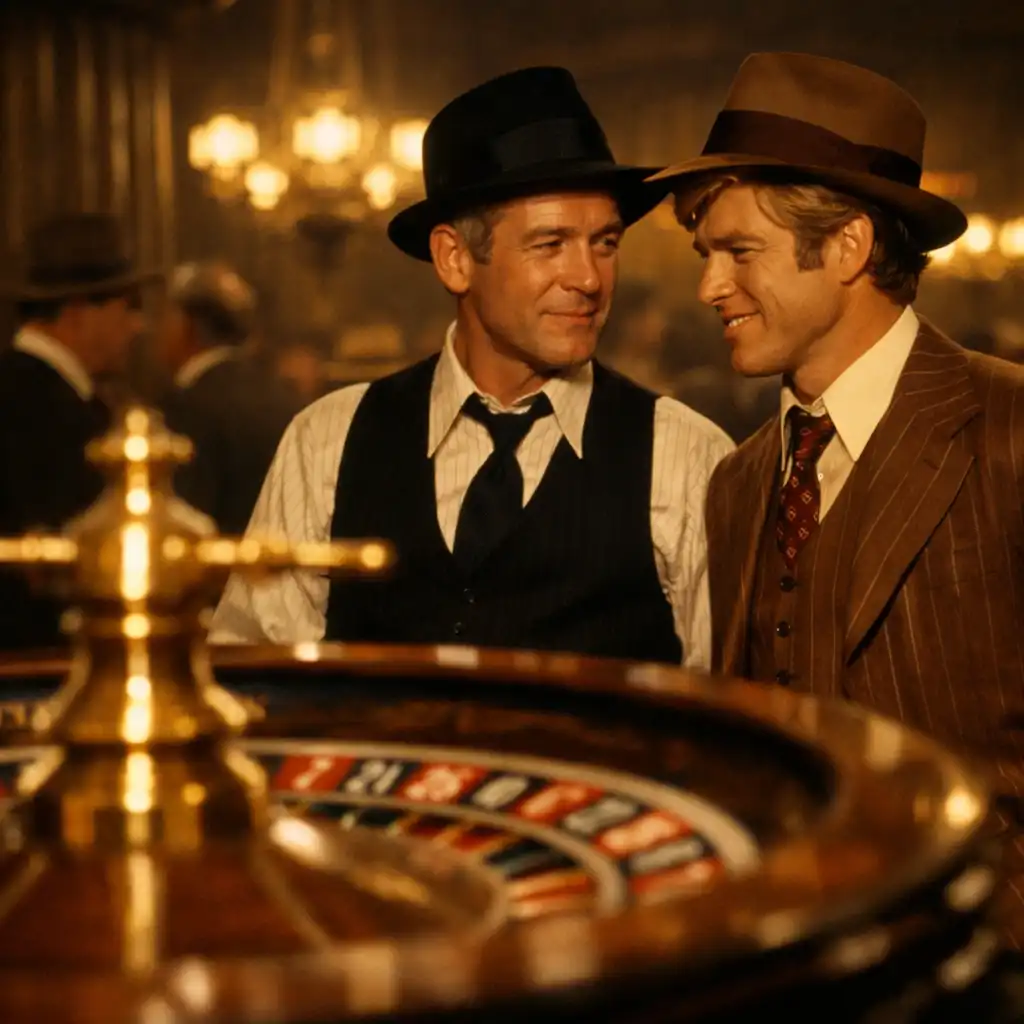
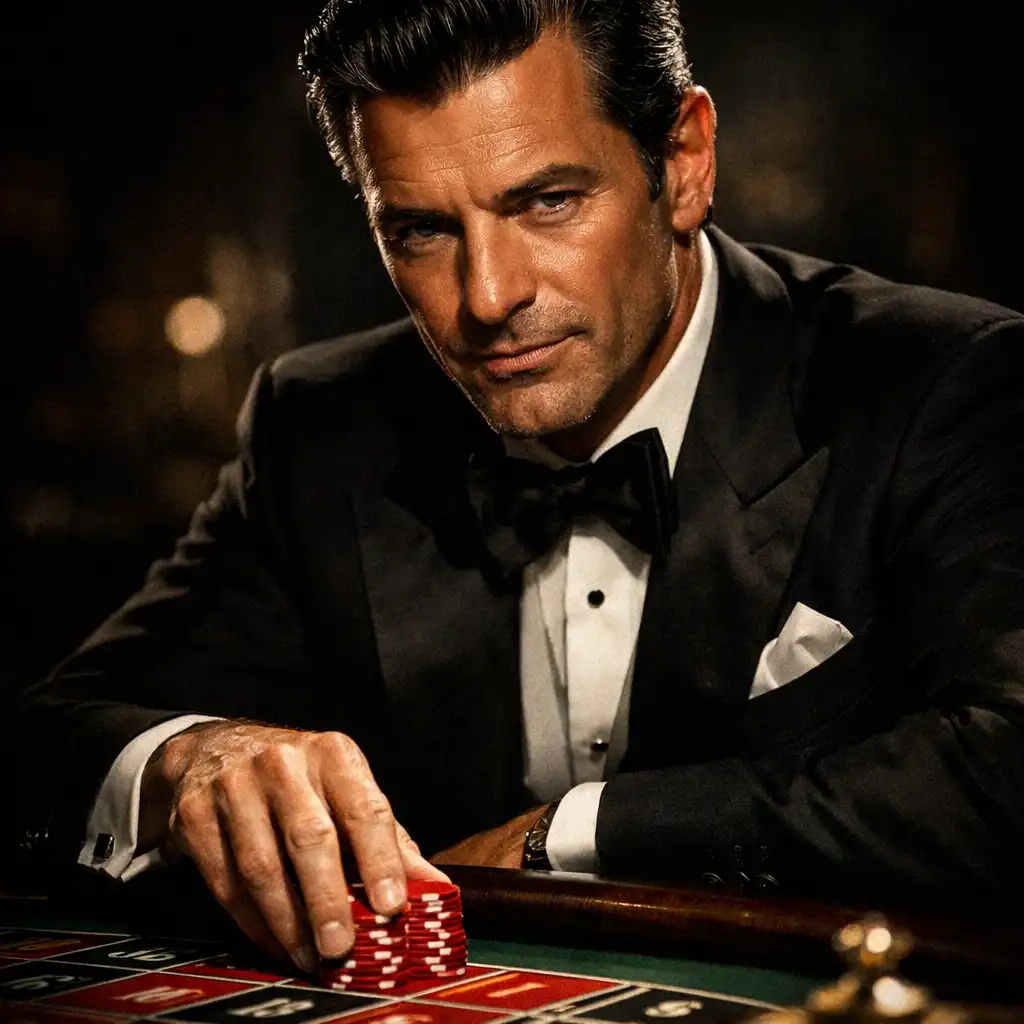
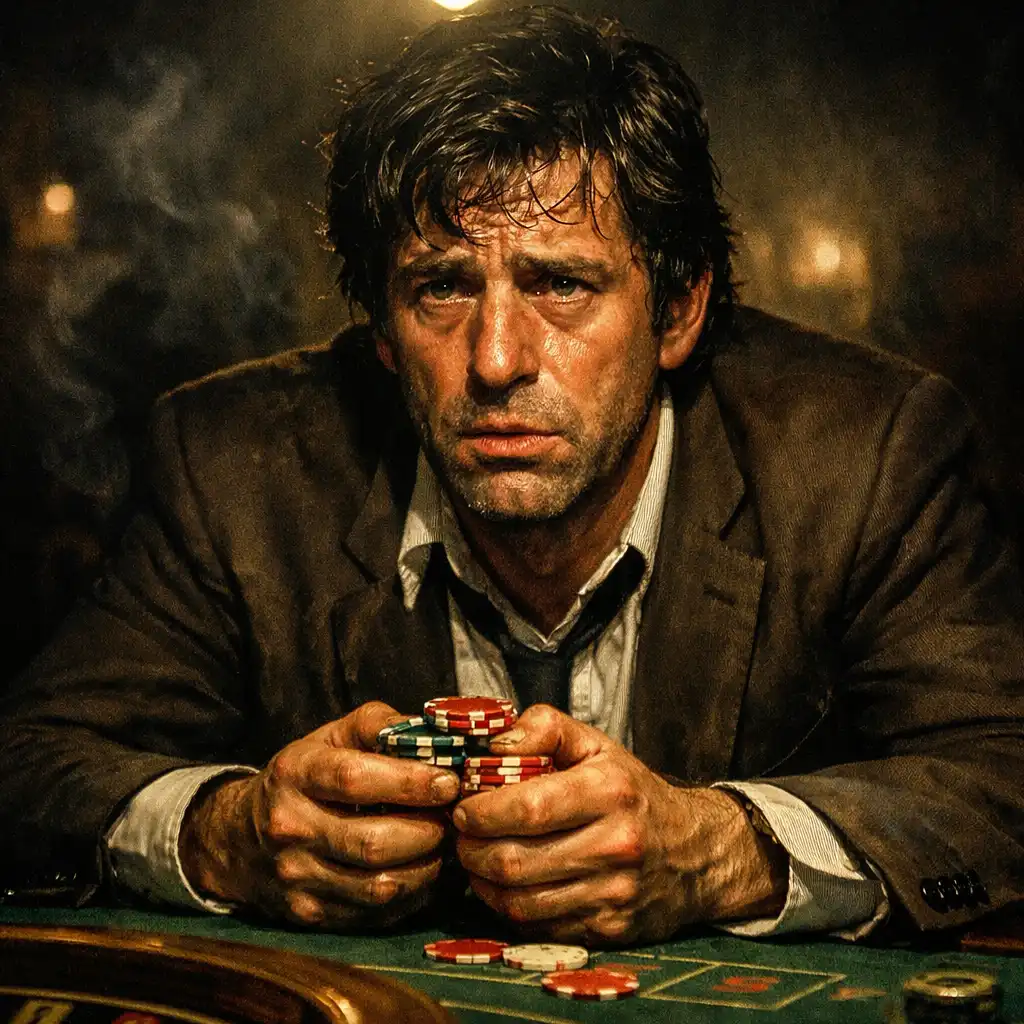
Roulette is not merely a game in cinema; it is a narrative engine that compresses time, externalizes conflict, and forces characters to confront their own agency. The spin of the wheel becomes a moment of truth. The wheel's binary outcome—red or black, win or lose—creates instant dramatic stakes. Filmmakers use the spin as a pivot point: before the spin, characters deliberate; after, they react. The wheel's randomness mirrors life's unpredictability, making it a powerful metaphor for fate. In many films, the roulette table is a stage where characters perform their identities—the high roller, the desperate gambler, the cool professional.
Roulette's cinematic appeal dates to the silent era, with films like The Roulette Wheel (1918). The game's association with European sophistication made it a favorite of Hollywood's golden age. Directors quickly learned that the wheel's motion could carry meaning: a slow, deliberate spin suggests calculation, while a frantic one signals desperation. The ball's final bounce, captured in close-up, becomes a question mark that only the next cut can answer.
The wheel is the only honest character in the room.
— Film Story Journal critic
Unlike human characters, the roulette wheel has no hidden motives—it simply obeys probability. That honesty is what makes it so devastating on screen. When a character bets everything on red, the wheel does not judge, tempt, or forgive. It merely spins. The drama comes from the character's reaction to that indifference, and cinema has spent a century refining that reaction into some of its most unforgettable moments.