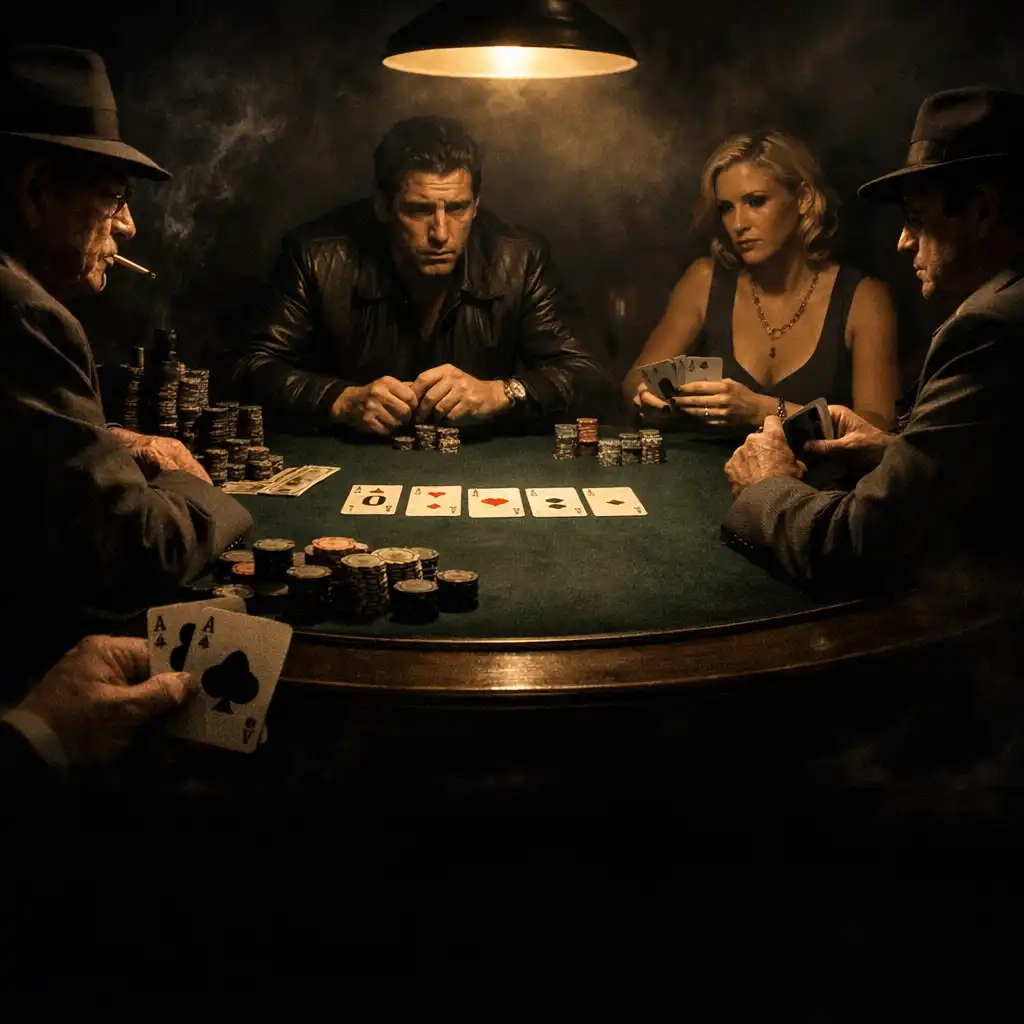
From smoky backrooms to high-stakes tournaments, poker has long been cinema's most potent metaphor for risk, deception, and the human condition.
The Cinematic Poker Table
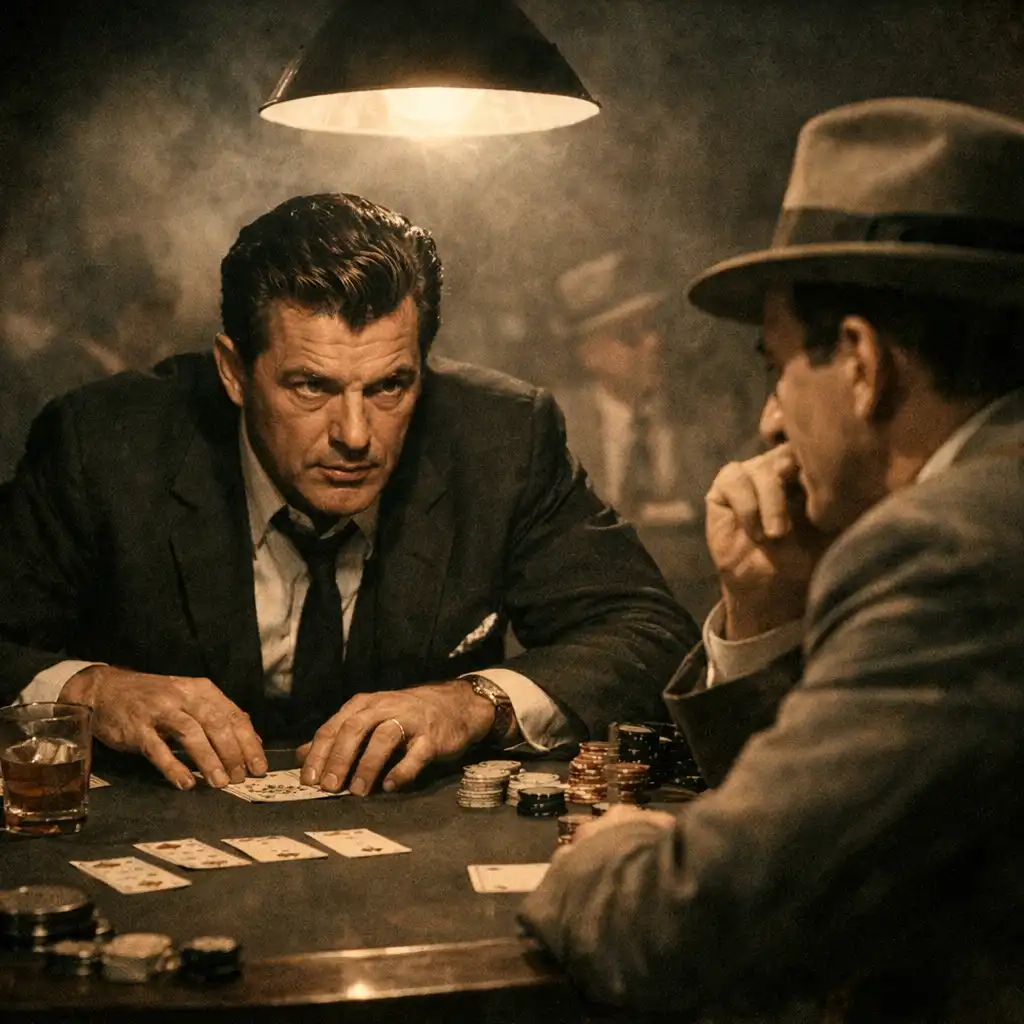
Poker is not merely a game in cinema; it is a narrative engine that distills human conflict into a single table. The turn of a card can reveal character, the size of a bet can expose ambition, and the silence between players can speak louder than dialogue. Poker scenes compress time and space, forcing characters into moments of decision. The game's inherent uncertainty mirrors the unpredictability of life, making it a versatile metaphor. Filmmakers use poker to explore themes of luck, skill, morality, and fate. From classic Hollywood to contemporary independent cinema, the poker table remains a stage for drama, thriller, and even comedy.
The Poker Face as Performance
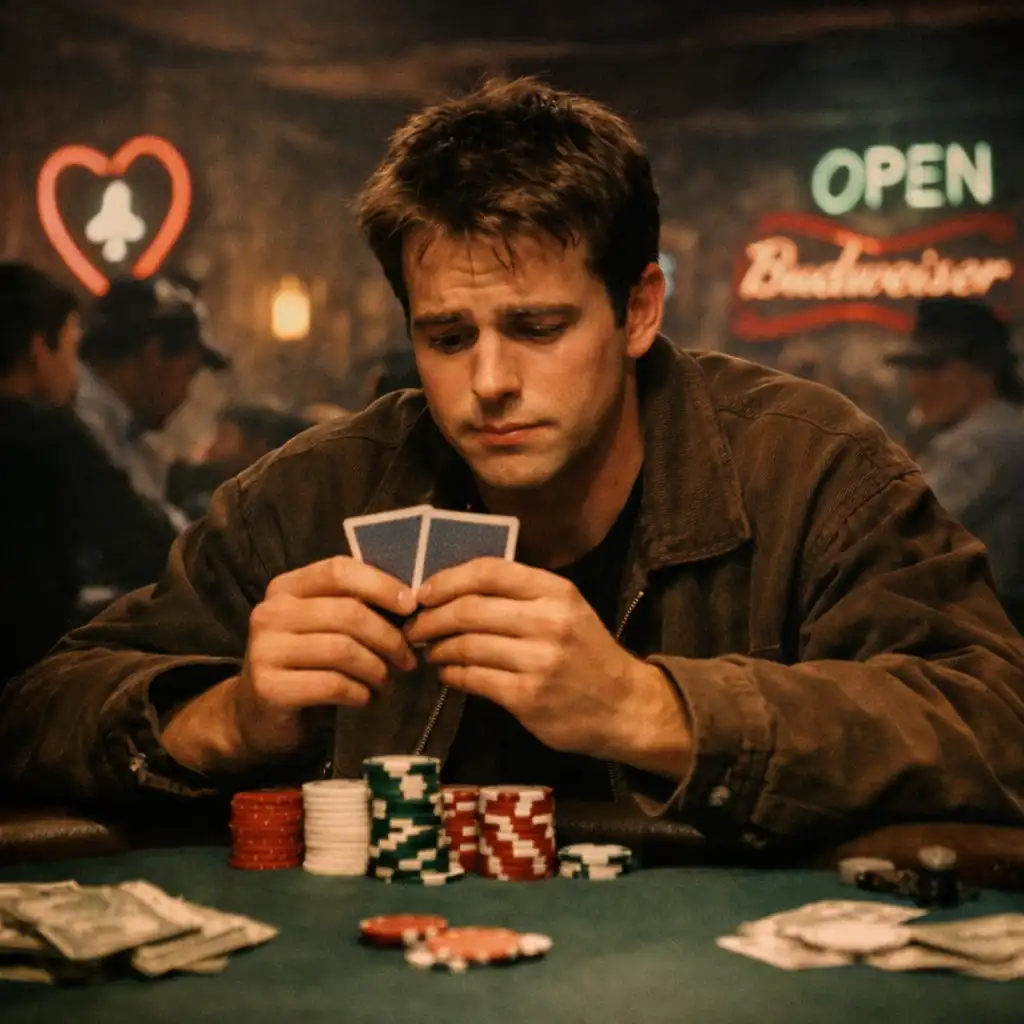
In film, the poker face is not just a strategy; it is a performance. Actors must convey a character's inner turmoil while maintaining an outward calm, creating a tension that is uniquely cinematic. The close-up on a player's face during a crucial hand is a staple of poker films. Great performances in poker films often hinge on micro-expressions and subtle shifts in posture. The poker face becomes a metaphor for emotional repression and social masks. Many acclaimed actors have delivered career-defining performances in poker films, and the publication's character studies often focus on these performances.
"You never show everything. That's the whole game."
— A recurring sentiment in poker cinema
The All-In Moment
The all-in bet is cinema's ultimate dramatic device: a single gesture that stakes everything on a single outcome. It is a moment of pure existential risk that resonates far beyond the poker table. The all-in moment often serves as the climax of a film's narrative arc. It represents a point of no return for the protagonist, forcing a confrontation with their own limits. Directors use pacing, music, and editing to heighten the tension of these scenes. The all-in moment is a recurring motif in poker films, often used to symbolize a character's ultimate gamble in life.
The tactile intimacy of the poker table.
Featured Essays
Two long-form pieces that model the publication's approach to poker film analysis.
Recurring patterns that give poker films their narrative depth.
The Tell
The tell—a subtle physical or behavioral cue that reveals a player's hand—is a central motif in poker films. It represents the fragility of human composure and the inevitability of exposure. Films often use the tell as a plot device to shift power dynamics. The tell can be a metaphor for hidden truths and vulnerabilities. Directors use close-ups and editing to emphasize the moment of revelation. Many poker films feature a scene where a character's tell is discovered.
The Mentor and the Prodigy
Many poker films follow a mentor-prodigy dynamic, where an experienced player guides a younger one through the game's psychological and moral complexities. This dynamic allows for exposition about poker strategy and culture. It often leads to a moment of betrayal or disillusionment. Examples include The Hustler and Rounders. The mentor-prodigy relationship is a common trope in sports and gambling films, used to explore themes of ambition, loyalty, and corruption.
The Game as Life
Poker films frequently blur the line between the game and life itself, suggesting that the skills and risks of the poker table are metaphors for larger existential choices. Characters often apply poker strategies to their personal and professional lives. The film's climax may hinge on a real-life gamble that mirrors a poker decision. This theme reinforces the idea that poker is a microcosm of human experience. The metaphor of life as a game is a recurring theme in literature and film, and poker films use this metaphor to add philosophical depth.
Essential Poker Films
A curated list of films that define the genre, each with a distinct editorial angle.
How filmmakers build tension and authenticity at the table.
Directing the Table
Directors use a variety of techniques to build tension in poker scenes, from slow push-ins to rapid cutting between players' eyes and the cards. The use of close-ups on hands and faces creates intimacy and suspense. Sound design, including the shuffle of cards and the clink of chips, adds texture. Pacing is crucial: long silences can be as tense as rapid dialogue. Many directors have spoken about the challenges of filming poker scenes, and the publication's behind-the-scenes facts section covers these details.
The Actor's Preparation
Actors often learn to play poker or study professional players to bring authenticity to their performances, but the real challenge is conveying inner conflict without words. Some actors have spoken about learning poker strategy to understand their characters' decisions. The poker face requires a delicate balance of stillness and expressiveness. Rehearsals often focus on the non-verbal communication between players. The publication's character studies explore these performances in depth.
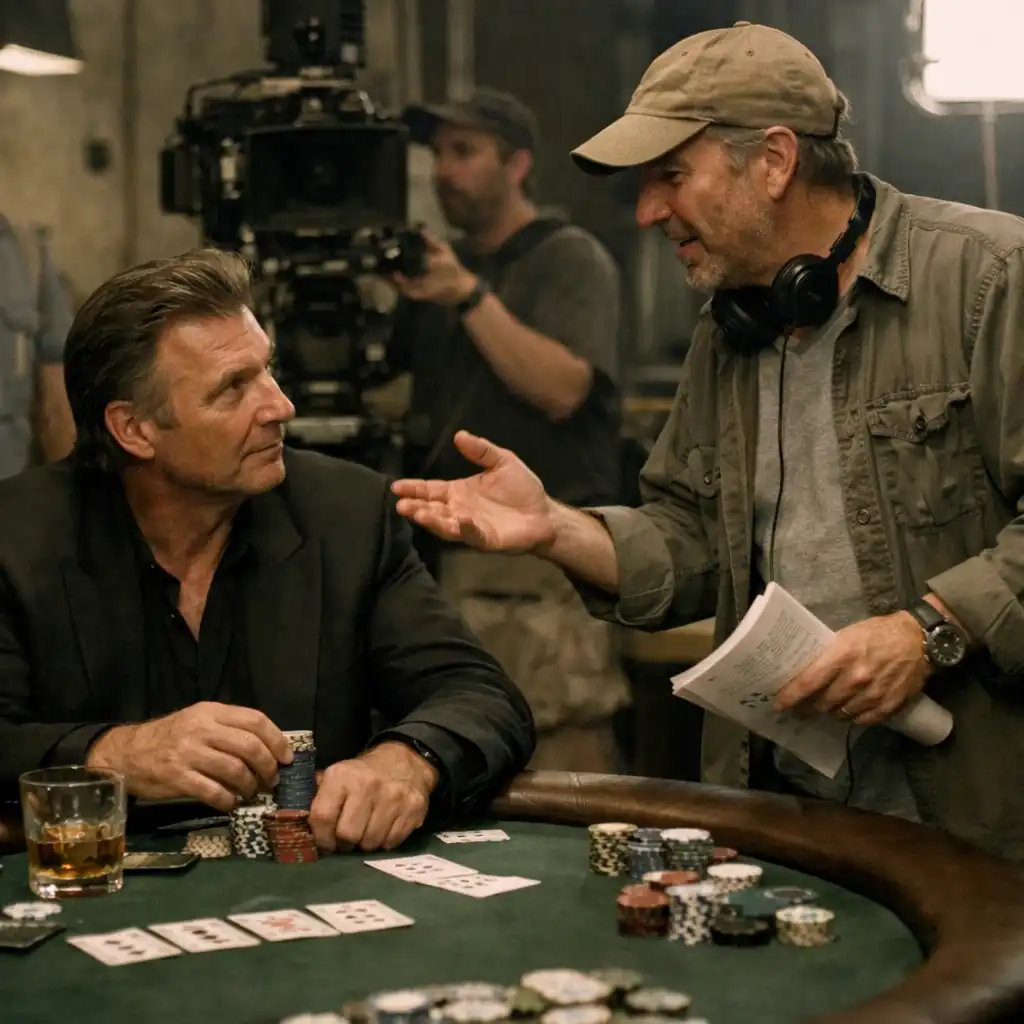
Collaboration between actor and director shapes the poker scene.
"The silence at the table is where the real drama lives."