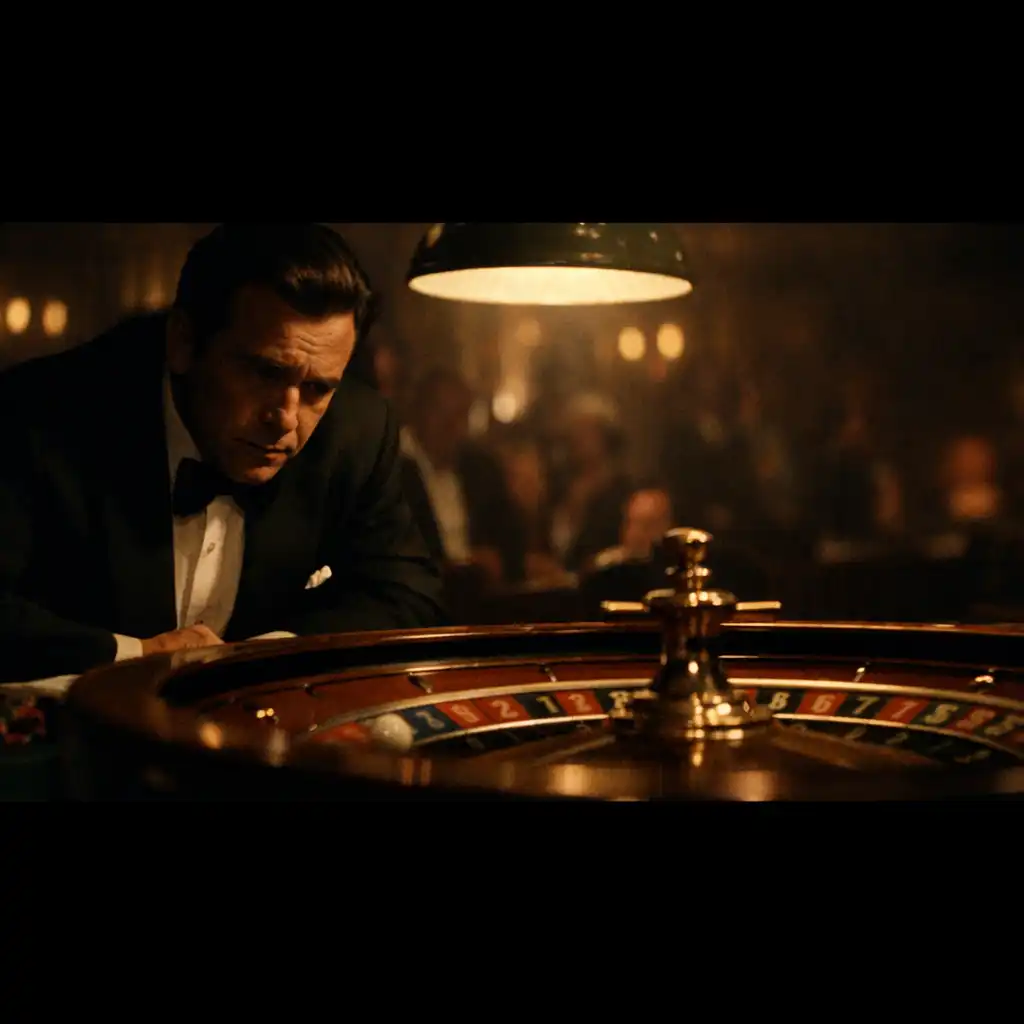
A tense moment at a roulette table in a dimly lit casino, with a well-dressed man leaning forward as the wheel spins

Characters

The Faces of Casino Cinema

Gambling films live or die on the strength of their characters. From high-rolling gamblers to desperate addicts, these figures embody the tension between luck, skill, and self-destruction. The genre's most enduring characters are not simply winners or losers; they are people caught between ambition and ruin. Casino cinema uses the gaming table as a stage for moral and psychological drama. This page profiles the actors and performances that have defined the genre.

The Archetypes of the Gambling Film

Before individual performances, it helps to recognise the recurring character types that give the genre its shape. These archetypes are not rigid boxes; they are narrative pressures that push characters toward their defining choices.

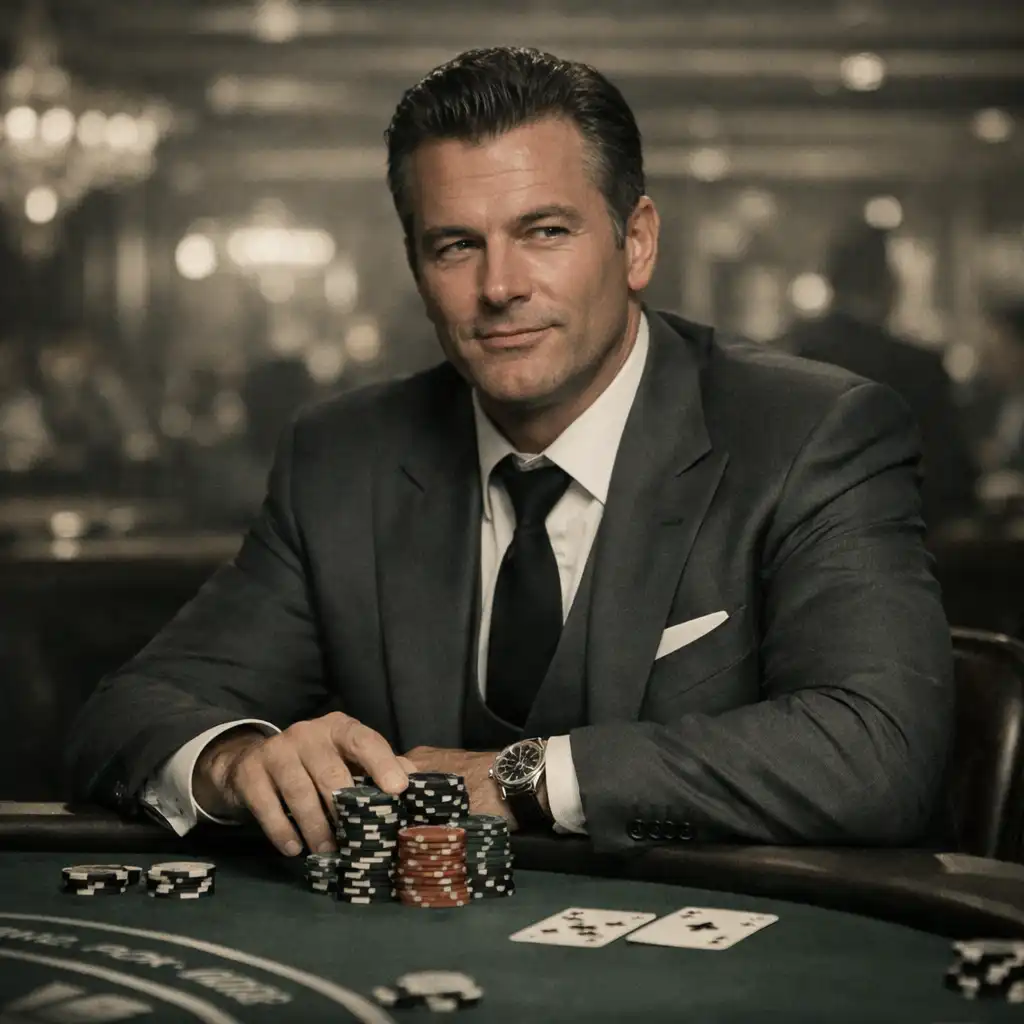
A confident high roller seated at a blackjack table with a stack of chips

The High Roller

The high roller is the charismatic centre of many gambling films: confident, stylish, and often doomed by their own hubris. They represent the fantasy of control over chance. Examples include James Caan's Axel Freed in The Gambler and Daniel Craig's James Bond in Casino Royale. The high roller's arc often moves from mastery to obsession. Their downfall is rarely about money; it is about identity and self-worth.

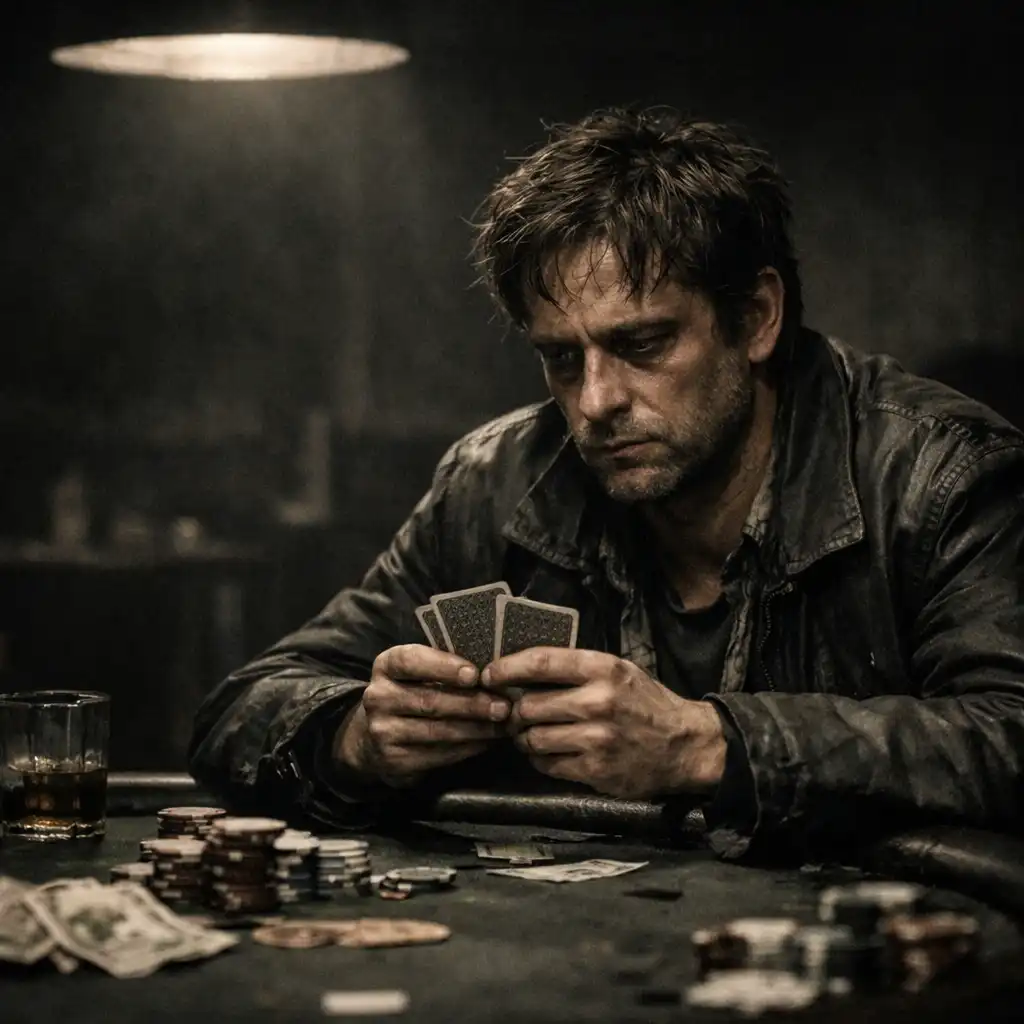
A dishevelled man sitting alone at a poker table with a haunted expression

The Addict

The addict character exposes the dark underbelly of gambling: compulsion, denial, and the destruction of relationships. These roles demand raw, unglamorous performances. Paul Schrader's The Card Counter and Karel Reisz's The Gambler offer contrasting portraits of addiction. The addict's journey is often circular, ending where it began. These characters challenge the audience's sympathy and judgment.

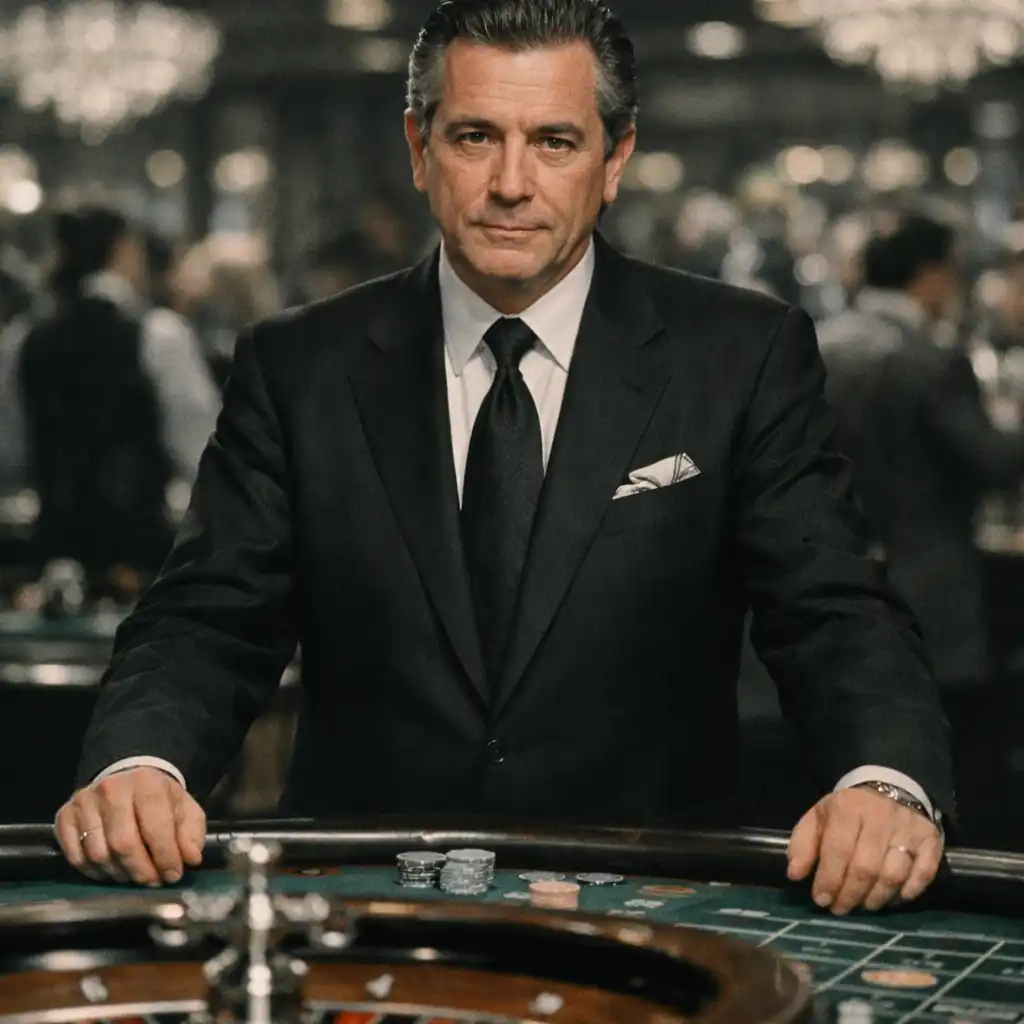
A casino operator standing behind a roulette table with a watchful expression

The Operator

The operator runs the game: casino bosses, poker room managers, and fixers who understand the odds better than anyone. They are often the most pragmatic and morally ambiguous figures. Robert De Niro's Sam 'Ace' Rothstein in Casino is the archetypal operator. Operators are survivors who navigate between legitimate business and criminal underworld. Their stories reveal the institutional side of gambling.

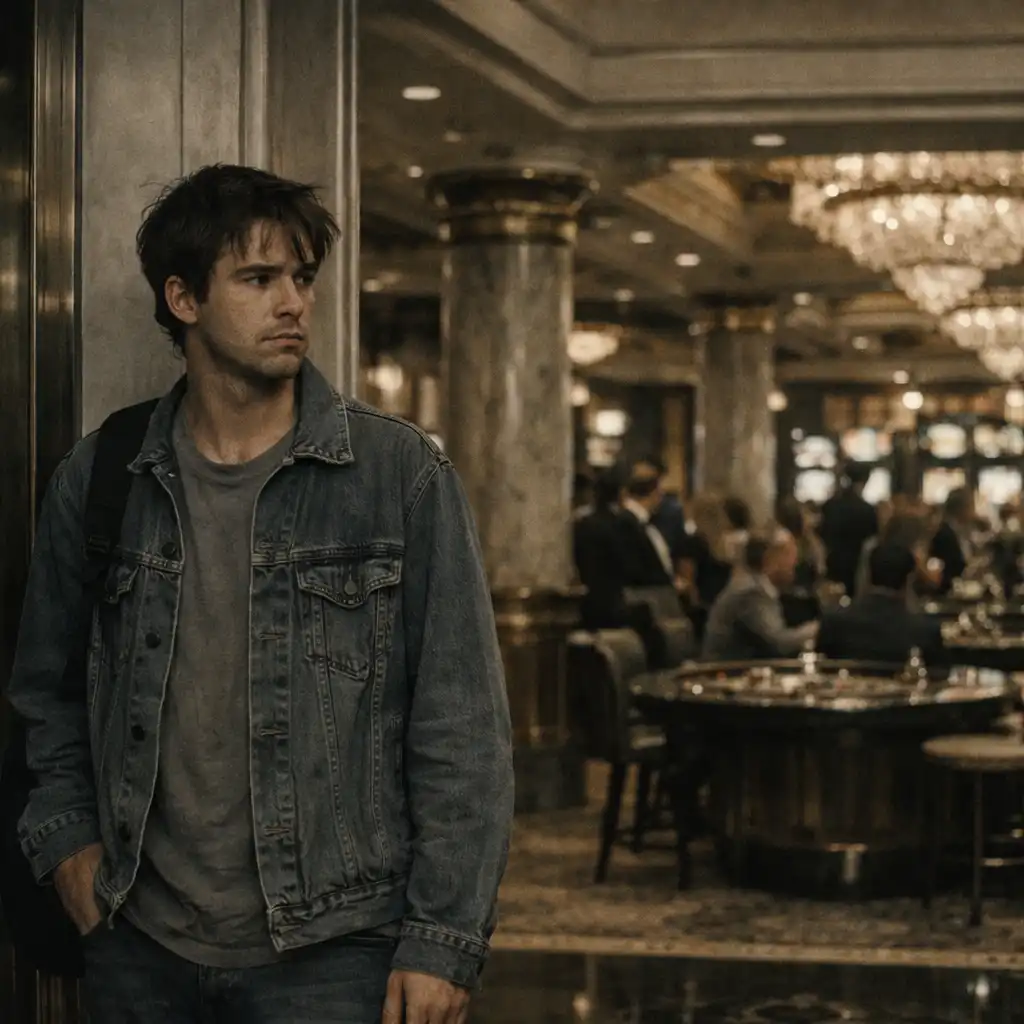
A young man standing at the entrance of a casino, looking uncertain

The Outsider

The outsider enters the gambling world from outside, often as a naive newcomer or a reluctant participant. Their perspective allows the audience to discover the rules and risks alongside them. Matt Damon's Mike McDermott in Rounders is a classic outsider who returns to the poker world. The outsider's arc often involves a moral choice between the game and a normal life. They serve as the audience surrogate in unfamiliar settings.

Profile: Sam 'Ace' Rothstein

The man who knew the odds, but not the people around him.

Sam 'Ace' Rothstein is the ultimate operator: a brilliant handicapper who runs the Tangiers casino with mathematical precision. But his inability to control the people around him leads to his downfall. Rothstein's expertise is in managing risk, yet his personal life is a series of uncontrolled gambles. His relationship with Ginger and Nicky Santoro illustrates the tension between order and chaos. The character is based on Frank 'Lefty' Rosenthal, adding a layer of historical authenticity. Casino (1995) was directed by Martin Scorsese, and Robert De Niro's performance earned critical acclaim.

Portrait of Robert De Niro as Sam Ace Rothstein, seated at a desk in a casino office
Robert De Niro as Sam 'Ace' Rothstein in Casino (1995)
Played by
Robert De Niro
Film
Casino (1995)
Director
Martin Scorsese
Based on
Frank 'Lefty' Rosenthal

Profile: Axel Freed

The professor who couldn't stop.

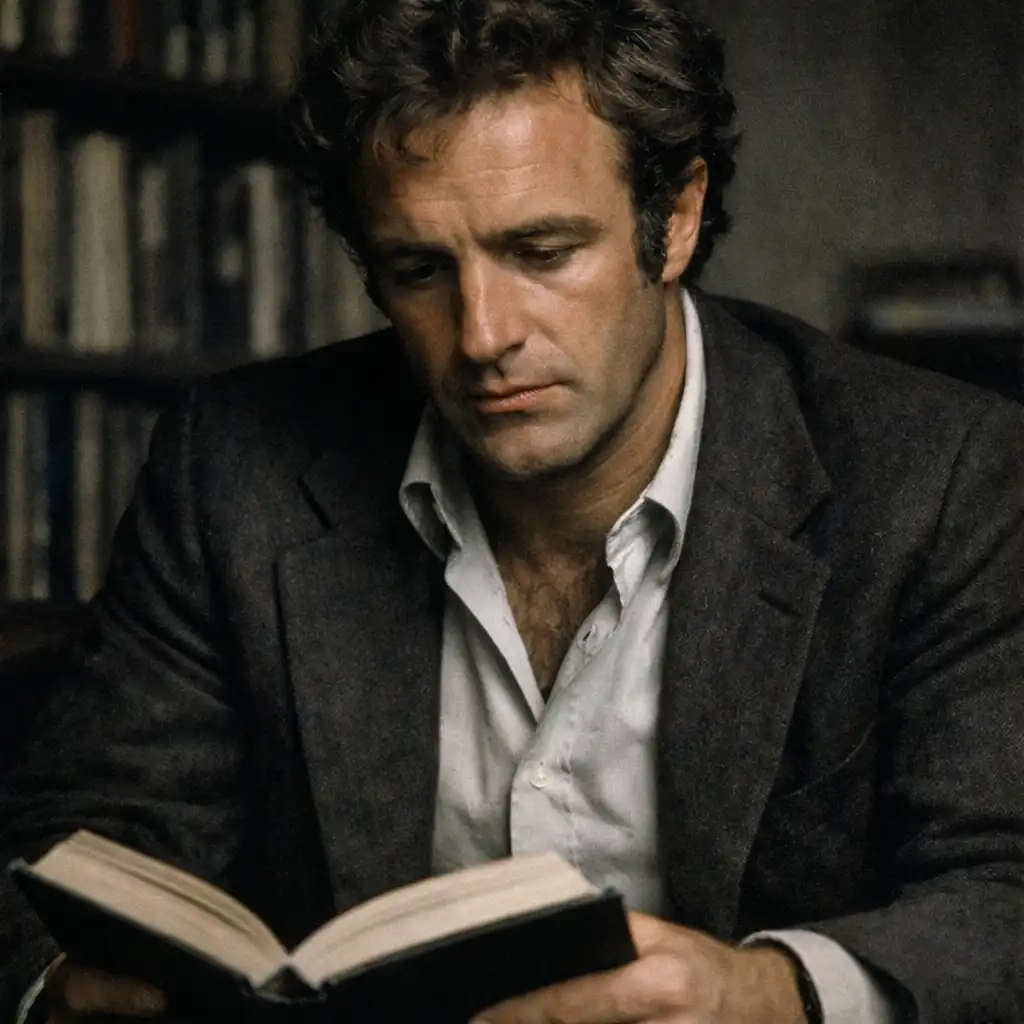
Axel Freed is a literature professor who gambles not for money but for the thrill of risk. His intellectual understanding of probability does nothing to save him from his compulsion. Freed's addiction is portrayed as a psychological need, not a financial problem. His relationships with his family and students deteriorate as his gambling escalates. The film's ending is deliberately ambiguous, leaving his fate unresolved. The Gambler (1974) was written by James Toback, and James Caan's performance is considered one of his best.

Portrait of James Caan as Axel Freed, with a pensive expression in a dimly lit room
James Caan as Axel Freed in The Gambler (1974)
Played by
James Caan
Film
The Gambler (1974)
Director
Karel Reisz
Written by
James Toback

Profile: Mike McDermott

The rounder's dilemma: skill, luck, and the life left behind.

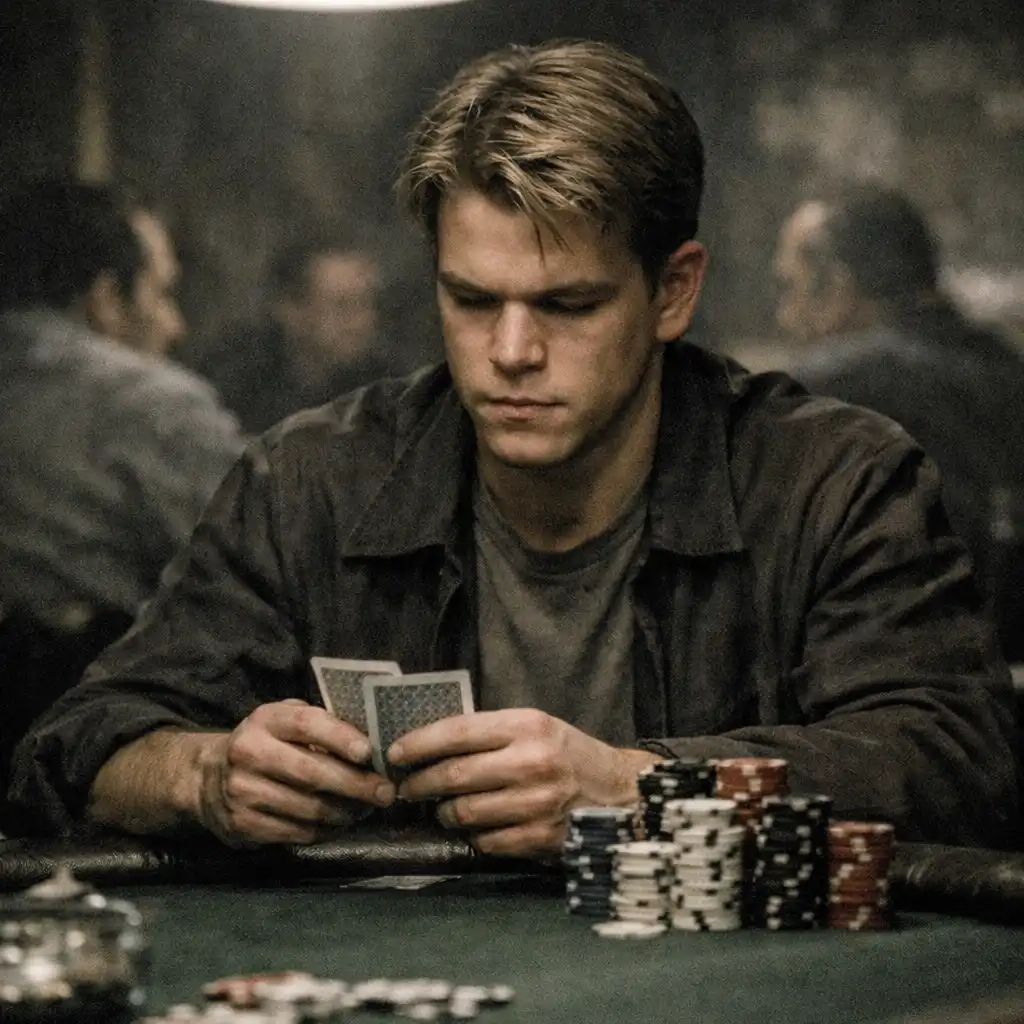
Mike McDermott is a law student and talented poker player who must choose between a safe life and the high-stakes world of underground poker. His journey reflects the professionalisation of poker in the late 1990s. McDermott's skill is contrasted with his friend Worm's recklessness. The film popularised Texas Hold'em and influenced a generation of players. His moral struggle is between ambition and responsibility. Rounders (1998) was directed by John Dahl, and Matt Damon's performance helped launch his career.

Portrait of Matt Damon as Mike McDermott, seated at a poker table in a dimly lit club
Matt Damon as Mike McDermott in Rounders (1998)
Played by
Matt Damon
Film
Rounders (1998)
Director
John Dahl
Character type
The Outsider

The Actor's Craft: Becoming the Character

Many actors in gambling films use method techniques to inhabit their roles, from learning to count cards to spending time in real casinos. This immersion creates a sense of authenticity that resonates with audiences.

Robert De Niro reportedly studied real casino operators for his role in Casino, absorbing their cadence and watchfulness. James Caan drew on personal experiences with gambling for The Gambler, bringing a lived-in weariness to Axel Freed. Matt Damon learned poker strategy from professional players for Rounders, ensuring that every gesture at the table felt earned rather than performed. Method acting is a technique that emphasises emotional authenticity, and several actors in gambling films have spoken about their preparation in interviews.

"You have to understand the mathematics, but you also have to understand the desperation. That's where the character lives."

This commitment to detail matters because gambling films depend on the audience believing in the stakes. When an actor hesitates before pushing a stack of chips, or when their eyes flicker toward the door, the entire scene gains weight. The best performances in the genre are not about winning or losing; they are about the moment just before the choice is made.

Cultural Context: Characters as Mirrors

Gambling characters have evolved from moral warnings to complex antiheroes. Early films portrayed gamblers as sinners, while modern cinema often celebrates their skill and intelligence. The Hays Code era restricted depictions of gambling, forcing filmmakers to punish their characters. The rise of poker in the 2000s led to more sympathetic portrayals. Contemporary films often explore the psychological toll of gambling rather than its moral implications.

Key Films in the Evolution

  • 1934–1968 Hays Code era: gamblers punished on screen
  • 1974 The Gambler: addiction as psychological study
  • 1995 Casino: the operator as tragic figure
  • 1998 Rounders: poker as intellectual sport
  • 2000s World Series of Poker mainstream boom

Delve Deeper into Casino Cinema

Our archive features dozens of character studies, reviews, and essays on the films that define the genre. Sign up for our newsletter to receive the latest features. The newsletter is free and delivered monthly. Subscribers receive exclusive essays and behind-the-scenes insights.

Explore the Archive